Old Enough to Have Fun
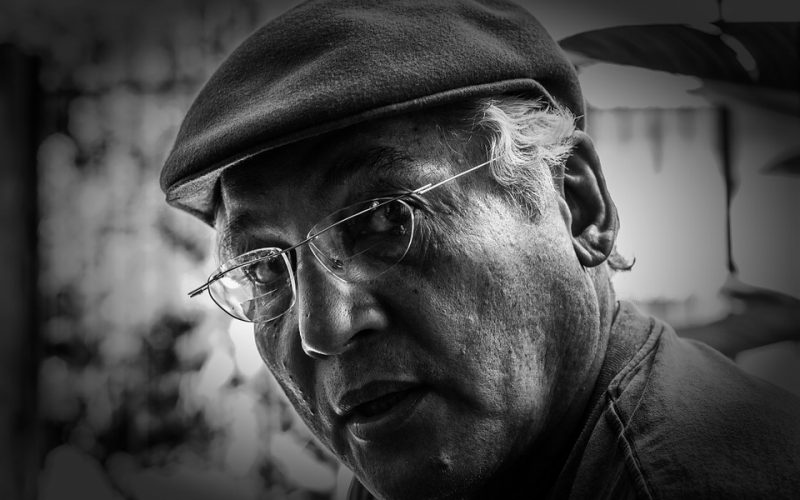
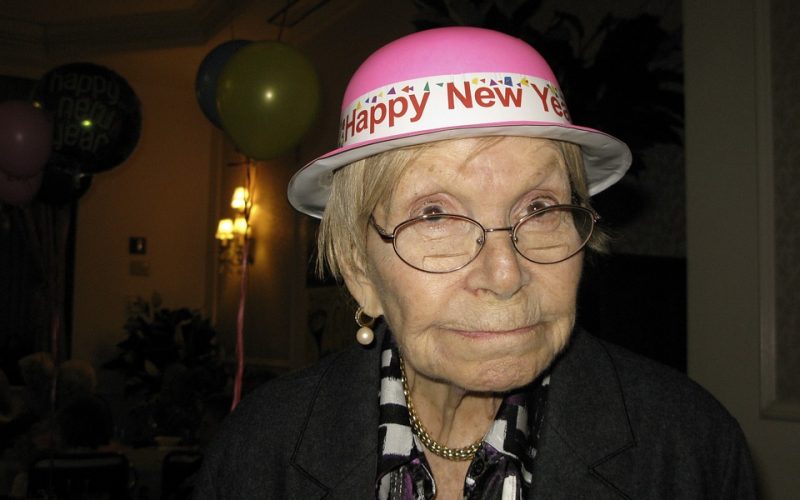
Retirement used to signal the end of life's most exciting chapter. Not anymore. Across the UK, a growing number of older adults are rewriting what it means to grow old, trading in the armchair for adventure, creativity, and community. Far from slowing down, today's retirees are proving that life after work can be one of the richest periods of all.
More time, more possibilities
After decades of early alarms, packed schedules, and workplace obligations, retirement hands something back that money rarely can: time. And seniors are spending it in ways that might surprise you. From learning to paint in Tuscany to launching small businesses from home, older adults are channelling their newfound freedom into pursuits that genuinely fulfil them — often for the very first time.
Travel is booming among older adults
The over-60s are now one of the fastest-growing segments in global tourism. Many are choosing slow travel — spending weeks or months in a single destination rather than rushing through a highlights reel. Others are joining group tours designed specifically for seniors, combining comfort with companionship. Solo travel, too, is on the rise among older women in particular, with many reporting that it has given them a sense of independence they never expected to find later in life.
Learning never stops
Universities and community colleges across the UK have seen a surge in mature students enrolling in everything from philosophy to photography. Organisations like the University of the Third Age (U3A) have made lifelong learning accessible and social, with thousands of local groups running classes, workshops, and discussion groups. The motivation is rarely career-driven — it is curiosity, mental stimulation, and the joy of finally studying something for the love of it.
Seniors are getting physical — on their own terms
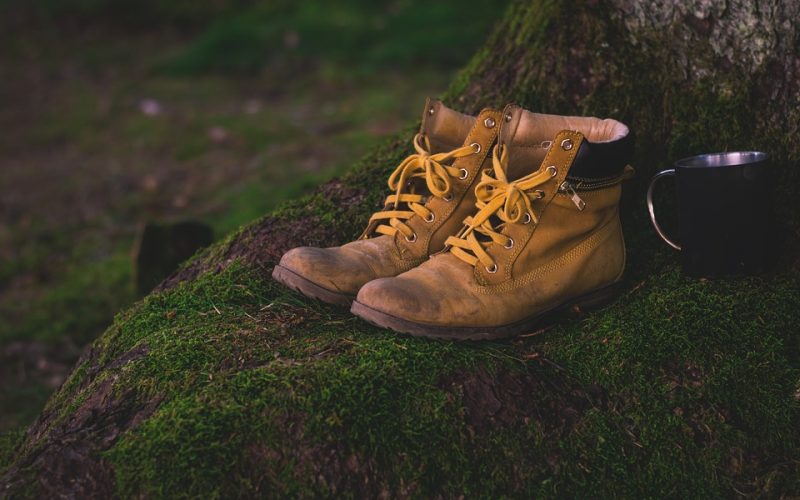
The image of retirement as a sedentary phase is fading fast. Wild swimming, hiking clubs, yoga retreats, and even martial arts classes are attracting older participants in record numbers. Research consistently shows that regular physical activity reduces the risk of cognitive decline, depression, and chronic illness — and seniors seem to have taken note. Many report that they are fitter and more active now than they were in their forties.
Technology is opening doors, not closing them
Contrary to the stereotype, many seniors are embracing technology with enthusiasm. Video calls keep families connected across continents. Online communities bring together older adults who share niche interests, from birdwatching to jazz. Some are even building audiences on social media, sharing life advice, travel diaries, or creative work with followers of all ages. Technology, used well, is helping older people stay engaged, visible, and connected.
Redefining what ageing looks like
What this generation of retirees is demonstrating, quietly but convincingly, is that ageing is not a decline — it is a transition. With good health, financial planning, and a willingness to embrace change, the years after work can be just as purposeful and pleasurable as any that came before. The challenge now is for society to catch up, to shed outdated assumptions about older adults and recognise the energy, wisdom, and vitality they continue to offer.