Establishing a Family Fitness Legacy
Children are remarkably observant, absorbing their parents' behaviours like sponges. If they see us consistently prioritising screens over fresh air, they will naturally gravitate towards sedentary habits. Conversely, if they see us treating movement as a joy rather than a chore, they are far more likely to adopt that same enthusiasm. Establishing a family fitness legacy is not about training future Olympians or adhering to rigid workout schedules; it is about instilling a lifelong appreciation for what the human body can do. In a world increasingly designed to keep us seated, making a conscious effort to model an active lifestyle is one of the most significant investments we can make in our children's long-term health.
Make movement a natural part of daily life
We often make the mistake of compartmentalising fitness as something that only occurs inside a leisure centre or during a PE lesson. However, a true fitness legacy is built in the subtle, everyday choices we make as a family unit. It is found in walking to the local shops instead of driving, taking the stairs rather than the lift, or spending a Saturday afternoon gardening together. When children witness their parents choosing active transport or physical chores willingly, they begin to understand that bodies are meant to be used frequently. This incidental activity accumulates significantly over time, teaching children that movement is a functional, normal component of daily existence rather than a punishment for eating a sweet treat.
Focus on fun rather than performance
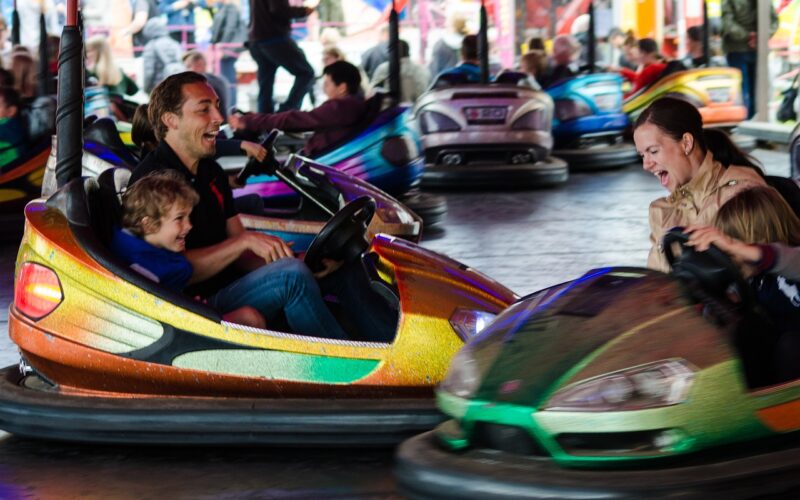
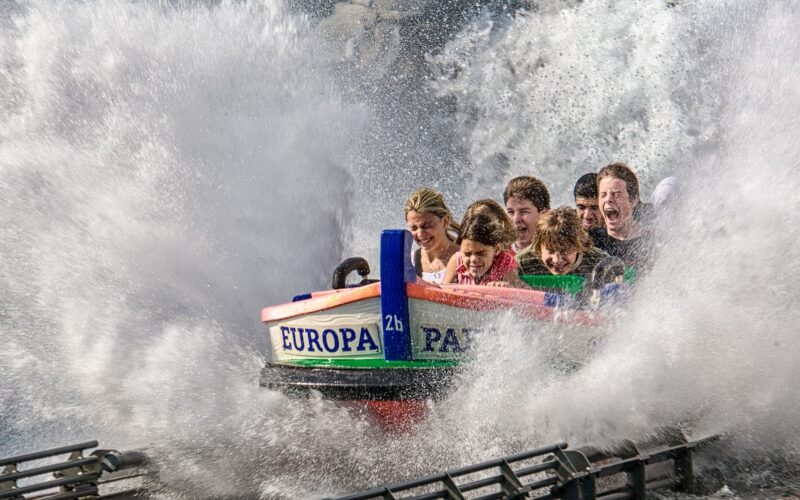
Nothing extinguishes a child’s enthusiasm for sport faster than excessive pressure to perform or strict regimentation. To build a robust and lasting habit, the emphasis must shift entirely from competition to enjoyment. This might involve playing a chaotic game of tag in the garden, having an impromptu dance party in the kitchen while cooking dinner, or creating a simple obstacle course in the living room with cushions. The objective is not to perfect a technique but to associate an increased heart rate with laughter, connection, and dopamine. If a child connects physical exertion with positive family bonding, they are far less likely to view exercise as a tedious obligation when they navigate their own adult lives.
Create shared active traditions
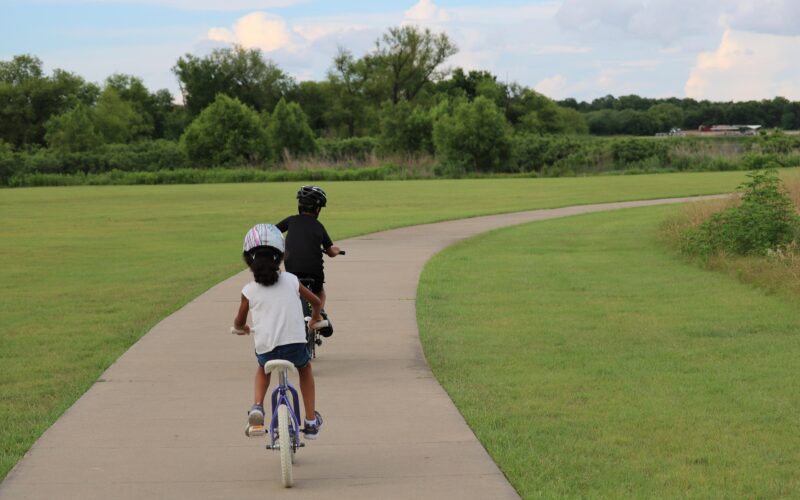
Rituals are powerful tools for bonding and identity formation. Establishing weekly or monthly traditions that revolve around physical activity ensures that fitness remains a priority even during the busiest periods of the school term. This could be a designated 'Sunday Runday' where the family goes for a light jog or nature walk, a Friday evening bike ride around the neighbourhood, or an annual hiking trip to a national park. These traditions provide structure and anticipation. Over the years, these shared experiences transform into cherished memories. The consistency of these events signals to children that prioritising health is a non-negotiable family value, ingrained just as deeply as holiday celebrations or birthday dinners.
Be a role model, not a spectator
It is all too tempting to sit on the bench while the kids run around the playground, scrolling through emails or chatting with other parents. However, effective active modelling requires participation, not just supervision. Climb the frame with them, kick the football back and forth, or race them to the swings. Children notice when parents are engaged. Seeing a parent struggle, sweat, and perhaps fail at a new physical skill teaches resilience and humility. It humanises the effort required to stay healthy and demonstrates that it is acceptable not to be perfect at a sport to enjoy it. Your participation validates their play and reinforces the idea that movement is for everyone, regardless of age.
Building a foundation for the future
The habits established in childhood often act as the default settings for adult life. By integrating movement into the daily rhythm of the household, prioritising enjoyment over accolades, and actively participating in the fun, parents gift their children something far more valuable than a gym membership. They provide a blueprint for a healthy, vibrant life that prioritises wellbeing. This legacy of fitness helps protect their physical health, supports their mental resilience, and strengthens family bonds. Start small, keep the activities lighthearted, and watch as movement becomes the language your family uses to connect with the world and each other.